

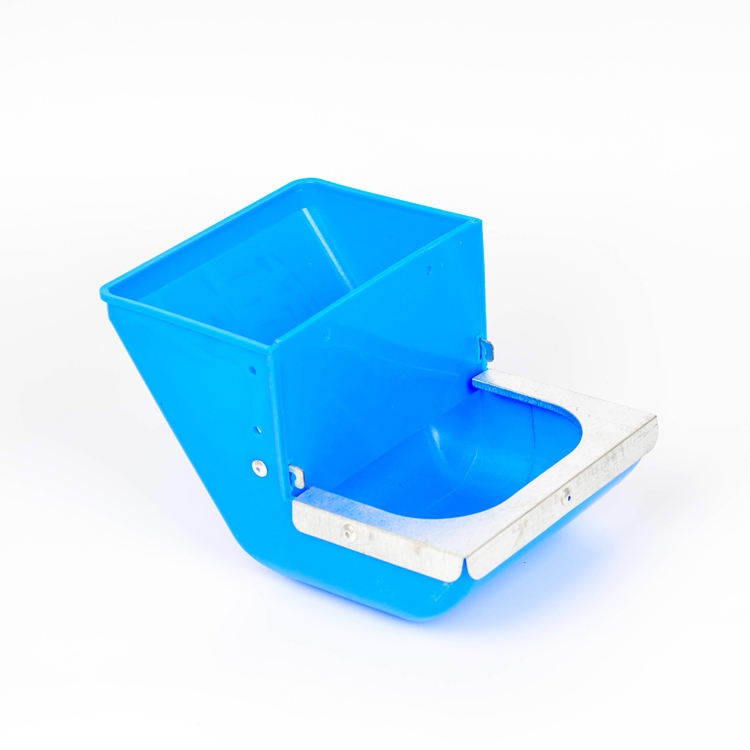
Rabbit J Feeder Used in Rabbitry, Rabbit Cage
+86 13784166699
+86 15064269689
Product Overview
The J-Style Rabbit Feeder with Metal Edge is a specialized feeding solution engineered for the modern rabbitry, designed to optimize feed management and hygiene within confined housing systems. This feeder is characterized by its distinct "J" shape, which allows it to hook securely over the wire mesh of a standard rabbit cage, saving valuable floor space and keeping feed elevated and clean. Constructed from high-impact, food-grade polypropylene (PP) plastic, the unit is lightweight yet incredibly durable, capable of withstanding the rigors of daily farm use. A defining feature is the reinforced metal strip—typically galvanized steel or stainless steel—lining the front opening. This strategic design element serves a dual purpose: it prevents rabbits from gnawing on the plastic rim, significantly extending the product's lifespan, and it provides a smooth, safe edge that protects the animal from injury. The internal geometry is tapered to facilitate a gravity-fed mechanism; as the rabbit consumes pellets from the trough, fresh feed slides down from the hopper, ensuring a constant supply of food while minimizing manual refilling frequency. This design not only streamlines operations for the breeder but also promotes natural foraging behaviors for the rabbit, contributing to better digestion and growth rates. The bright blue coloration is not merely aesthetic; it provides high visibility for inspection and cleaning, ensuring that no mold or stale feed goes unnoticed.
Key Features and Benefits
Anti-Chew Metal Reinforcement: The most critical feature of this feeder is the metal guard along the feed opening. Rabbits have a natural instinct to gnaw, and standard plastic feeders often fall victim to this behavior, leading to breakage and potential ingestion of plastic shards. The metal edge acts as a robust barrier, effectively deterring chewing and ensuring the structural integrity of the feeder remains intact over years of use.
Space-Saving "J" Hook Design: Engineered to hang on the exterior or interior of wire cages, this feeder occupies zero floor space within the hutch. This is crucial for maintaining a clean living environment, as it prevents the rabbit from soiling the feed with bedding or waste. The hook mechanism is designed for stability, preventing the unit from tipping over even when the rabbit leans against it.
Gravity-Fed Efficiency: The hopper creates a reservoir of feed that automatically replenishes the trough as levels drop. This gravity-fed system ensures that the rabbit has ad libitum access to food, which is essential for maintaining consistent energy levels and growth. It also reduces the labor required for feeding, allowing farm managers to service more cages in less time.
Hygienic and Easy to Clean: The smooth interior surface of the polypropylene plastic prevents feed dust and particles from accumulating in corners or crevices. The unit can be easily detached from the cage for thorough washing and disinfection, a vital aspect of biosecurity in preventing the spread of disease within a rabbitry.
Ergonomic Trough Depth: The depth and angle of the trough are calculated to minimize spillage. Unlike open bowls where rabbits might dig and scatter food, the recessed nature of this J-feeder encourages the rabbit to reach in and eat without pawing the pellets out, resulting in significant feed cost savings over time.
Technical Specifications and Material Quality
The construction of this feeder relies on high-quality, virgin polypropylene (PP), a thermoplastic polymer known for its high fatigue resistance and chemical inertness. This means the feeder will not react with feed supplements or cleaning agents, ensuring the safety of the livestock. The plastic is UV-stabilized to resist degradation from sunlight if used in outdoor or semi-outdoor setups. The metal reinforcement is typically made from galvanized iron or stainless steel, chosen for its resistance to rust and corrosion in humid barn environments. The connection points between the plastic and metal are reinforced to prevent separation under stress. The dimensions are generally standardized to fit common cage wire spacings, though variations exist to accommodate different breeds, from small dwarf rabbits to large commercial meat breeds like the New Zealand White or Californian. The capacity of the hopper is designed to hold a substantial amount of pelleted feed, reducing the need for daily refills in high-density operations.
Usage and Maintenance Guidelines
To maximize the efficacy of the J-Style Rabbit Feeder, proper installation and maintenance are required. When installing, ensure the feeder is hooked securely onto the cage wire at a height appropriate for the size of the rabbit—generally at chest level to allow comfortable access without straining. It is advisable to inspect the metal edge periodically for any signs of rust or detachment, although high-quality units should remain intact for years. Cleaning should be performed regularly; a mild bleach solution or veterinary-grade disinfectant can be used to sanitize the plastic. Avoid using abrasive scrubbers that might scratch the plastic surface, as scratches can harbor bacteria. When filling, ensure the feed is dry and free of clumps to prevent bridging (where feed gets stuck in the hopper and fails to slide down). This feeder is compatible with standard pelleted rabbit diets and should not be used for loose mash or wet feeds, as these can cake and block the flow mechanism. By adhering to these simple maintenance routines, the feeder will provide a reliable, hygienic, and efficient feeding solution that supports the health and productivity of the rabbitry.