

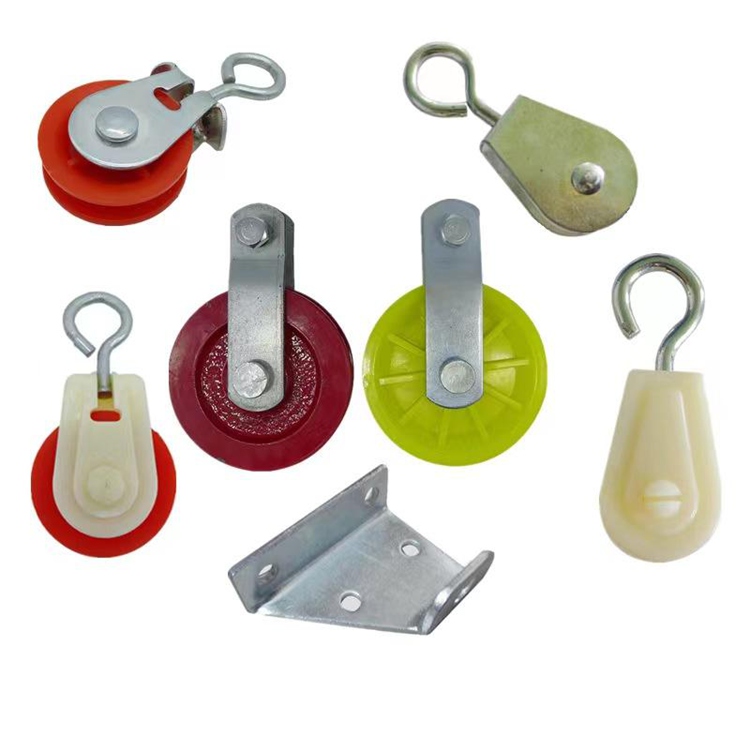
Multi-Size Poultry Farm Pulley System for Automated Feeding & Drinking Lines
+86 13784166699
+86 15064269689
Product Overview
The Multi-Size Poultry Farm Pulley System is an essential component for the efficient operation of automated feeding and drinking lines in modern poultry houses. This system, available in 90mm, 45mm, and 22mm diameters, is engineered to ensure the smooth, reliable, and frictionless vertical movement of feed and water lines. This capability is critical for adapting to the changing height requirements of growing birds and for facilitating the thorough cleaning and maintenance of the livestock facility. Constructed from a combination of high-strength, wear-resistant engineering plastics (such as nylon) and galvanized steel components, these pulleys are specifically designed to withstand the harsh, corrosive, and dusty environment of a poultry farm. Their robust design ensures long-term, maintenance-free operation, contributing significantly to the overall automation, biosecurity, and operational efficiency of the farm.
Core Function and Operational Importance
The primary function of this pulley system is to serve as the guiding and support mechanism for the cables or ropes that suspend the feeding and drinking lines from the ceiling or support structure of the poultry house. As chicks grow into mature birds, their height increases, necessitating a corresponding adjustment in the height of their feed and water sources. An incorrect height can lead to poor feed conversion rates, increased feed spillage, and difficulty for the birds in accessing water, all of which negatively impact flock health and farm profitability.
The pulley system works in conjunction with a winch or capstan (like the WNR-057 model discussed previously). When the winch is operated, the cables run smoothly over these pulleys, allowing the entire line to be raised or lowered uniformly and with minimal effort. This ensures that feeders and drinkers are always at the optimal height—typically at the birds' back level—promoting natural feeding and drinking postures. Furthermore, during cleaning and disinfection cycles, the entire line can be quickly raised to the ceiling, providing unobstructed access to the floor for washing equipment and ensuring a more effective sanitation process, which is a cornerstone of modern biosecurity protocols.
Durable Construction and Material Advantages
The choice of materials for these pulleys is crucial for their performance and longevity. The wheel itself is typically made from high-impact, self-lubricating plastics like nylon or polypropylene. These materials offer several key advantages:
Corrosion Resistance: Unlike metal, these plastics are completely immune to rust and corrosion from ammonia, moisture, and cleaning chemicals, ensuring a long service life.
Lightweight: The reduced weight minimizes the overall load on the suspension system and the winch mechanism.
Low Friction: The smooth surface of the plastic wheel and its self-lubricating properties ensure that the cable moves with minimal resistance, preventing wear on both the cable and the pulley and reducing the effort required for operation.
Quiet Operation: Plastic pulleys operate much more quietly than metal ones, contributing to a less stressful environment for the birds.
The bracket and hook components are typically made from galvanized steel. This provides the necessary structural strength to support the significant weight of a fully loaded feed or water line while offering excellent protection against corrosion. The combination of a plastic wheel and a galvanized steel frame creates a component that is both lightweight and exceptionally durable, perfectly suited for the demanding agricultural environment.
Variations and System Integration
This pulley system is offered in multiple sizes (90mm, 45mm, 22mm) to accommodate different system designs and load requirements. Larger diameter pulleys (e.g., 90mm) are often used for main support lines or heavier feed systems, as they reduce the bending stress on the cable and provide a smoother operation. Smaller pulleys (e.g., 22mm, 45mm) are suitable for lighter-duty applications, such as individual drinker lines or secondary support points. The different styles shown, including open-side pulleys and those with eye hooks or mounting plates, allow for flexible integration into various farm layouts and suspension architectures. This versatility makes the system a fundamental and adaptable part of a comprehensive poultry farm automation setup, working seamlessly with feeders, drinkers, and winches to create a highly efficient and manageable production environment.