

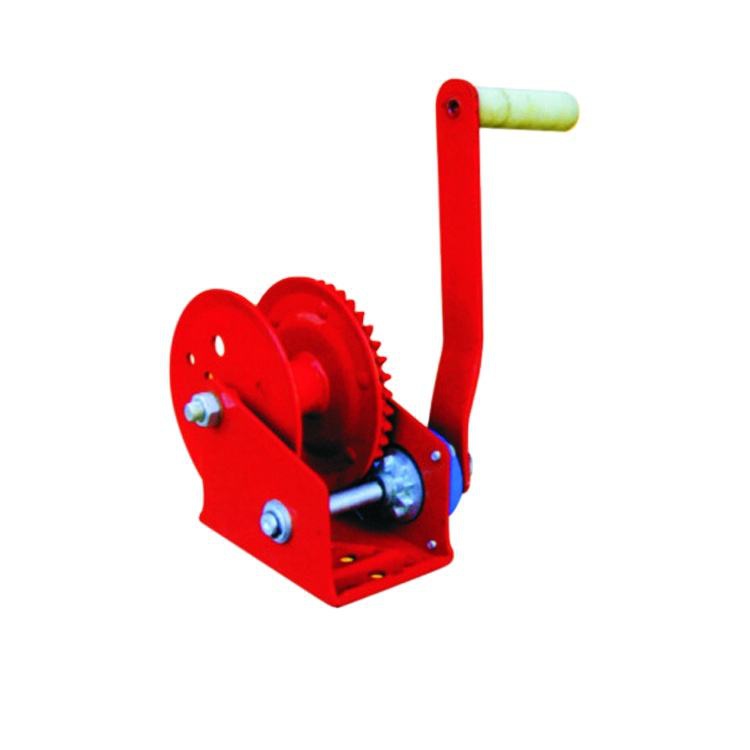
Manual Poultry Farm Feeding Winch System
+86 13784166699
+86 15064269689
Product Overview
The Manual Poultry Farm Feeding Winch System is a robust and essential mechanical device designed to streamline daily operations within modern livestock and poultry farming environments. This specialized piece of equipment serves as a critical utility tool, primarily engineered to facilitate the precise adjustment, lifting, and tensioning of various farm infrastructure components. Its construction focuses on durability and mechanical advantage, allowing farm operators to manage heavy loads with minimal physical exertion. By integrating this manual winch system, agricultural facilities can maintain optimal environmental conditions and equipment functionality with greater ease and safety.
Core Functionality and Operational Mechanics
At the heart of this device is a manual hand-crank mechanism designed to convert rotational force into vertical lifting power. The system typically features a gear-driven spool or drum that winds a cable, rope, or chain. The operator turns the handle, which engages the internal gearing to rotate the drum, thereby pulling the attached load upwards. A key feature of such systems is the inclusion of a self-locking or ratchet mechanism. This safety feature ensures that once the desired height or tension is achieved, the load remains securely in place without the operator needing to constantly apply force or use additional locking pins. This prevents accidental slippage, which is crucial when adjusting heavy feeding lines or ventilation curtains that must remain stable.
Applications in Poultry and Livestock Management
In the context of a poultry farm, this winch system finds versatile application across several critical areas. One of its primary uses is in the management of feeding and drinking lines. As birds grow, the height of their feeders and waterers must be adjusted to ensure ergonomic access, preventing feed wastage and ensuring animal comfort. This winch allows for the smooth, synchronized lifting of these lines. Additionally, it is frequently employed in curtain rolling systems for naturally ventilated barns. Farmers can use the winch to roll up or unroll sidewall curtains, effectively controlling airflow, temperature, and light exposure within the coop. This manual control is often preferred in areas where electricity is unstable or for specific zones where automated systems are cost-prohibitive.
Durability and Material Construction
The longevity of this winch system in a harsh agricultural environment is ensured by its rugged construction. The housing and structural components are typically fabricated from high-strength steel or stainless steel, materials chosen for their resistance to corrosion, rust, and physical impact. Farm environments often involve exposure to moisture, ammonia from manure, and frequent wash-downs; therefore, the use of stainless steel or galvanized components is vital to prevent degradation over time. The moving parts, such as the gears and bearings, are designed to withstand repetitive use and heavy loads, ensuring that the system remains operational for years with minimal maintenance. The handle is often ergonomically designed or coated to provide a comfortable grip, reducing operator fatigue during manual operation.
Advantages of Manual Operation
Opting for a manual hand winch system offers distinct advantages over automated electric hoists in specific farming scenarios. Firstly, it provides independence from electrical power sources, making it an invaluable tool during power outages or in remote farm locations. Secondly, it offers the operator precise, tactile control over the movement of the load. Fine-tuning the height of a curtain or the tension of a cable is often easier to achieve manually than with a high-speed electric motor. Furthermore, manual systems generally have a lower initial cost and reduced maintenance requirements, as there are no motors, sensors, or complex wiring to repair. This makes the Manual Poultry Farm Feeding Winch System a cost-effective, reliable, and durable solution for the practical demands of livestock management.